










Spring Boot Explained for Beginners - REST API Guide
Beginner friendly Spring Boot tutorial learn REST APIs, dependency injection, key annotations, and real-world backend patterns in one practical guide by neodyit
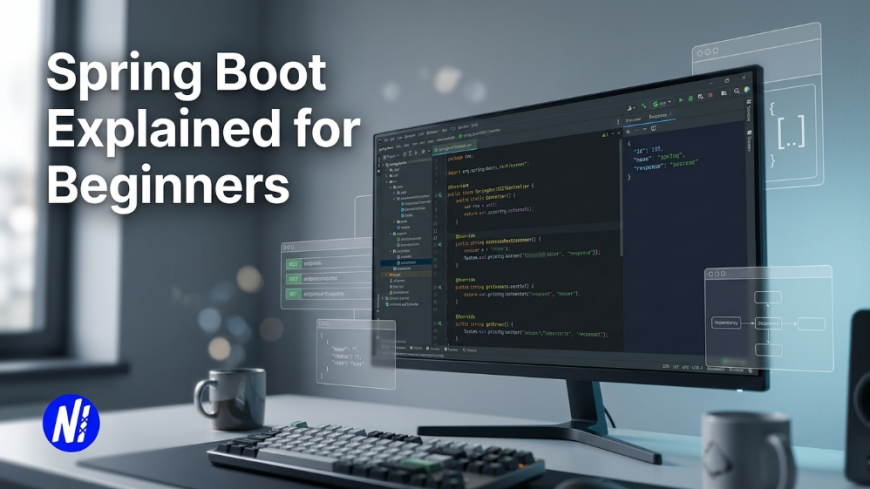
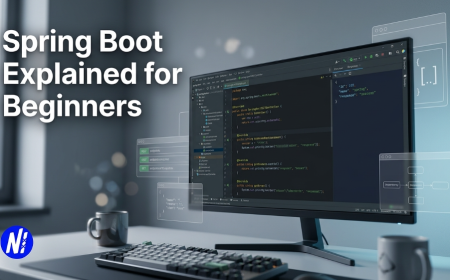
Spring Boot Explained for Beginners: Build a REST API Step-by-Step
If you have ever wanted to build a clean Java backend without drowning in setup and boilerplate, this spring boot explained for beginners guide is the right place to start. Spring Boot makes it much easier to create REST APIs, wire dependencies, and ship production-ready backend services, which is why it stays highly relevant for Java developers in 2026 and beyond.
Overview of the Topic
Spring Boot is a framework built on top of the Spring ecosystem that helps developers create backend applications faster with less configuration. It is popular because it fits modern needs like REST APIs, microservices, cloud deployment, and scalable backend systems.
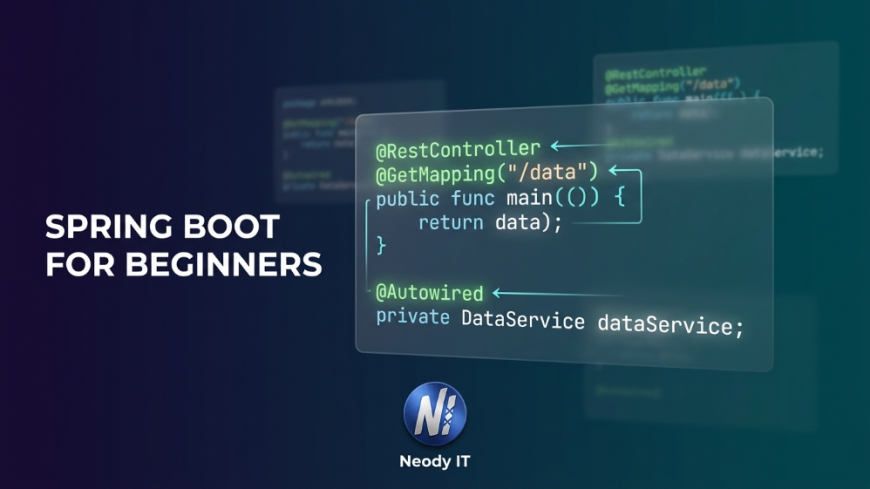
For beginners, the search intent is usually very practical. Readers want to understand what Spring Boot is, how it differs from Spring Framework, and how to build something useful with it. At Neody IT, this is the kind of topic that works well because it balances fundamentals with real-world implementation.
Key Features or Core Concept
Spring Boot is mainly known for a few beginner-friendly ideas:
-
Convention over configuration, which reduces setup work.
Also Read → Top 10 Java Projects for College Students 2026 -
Starter dependencies, which bundle common libraries together.
-
Auto-configuration, which helps Spring Boot make smart defaults.
-
Embedded servers, so you can run apps quickly without extra server setup.
-
Spring Initializr, which helps you create projects in minutes.
A simple way to think about it is this: Spring Boot gives you a faster path to building backend systems while still keeping the power of the larger Spring ecosystem.
Real World Example
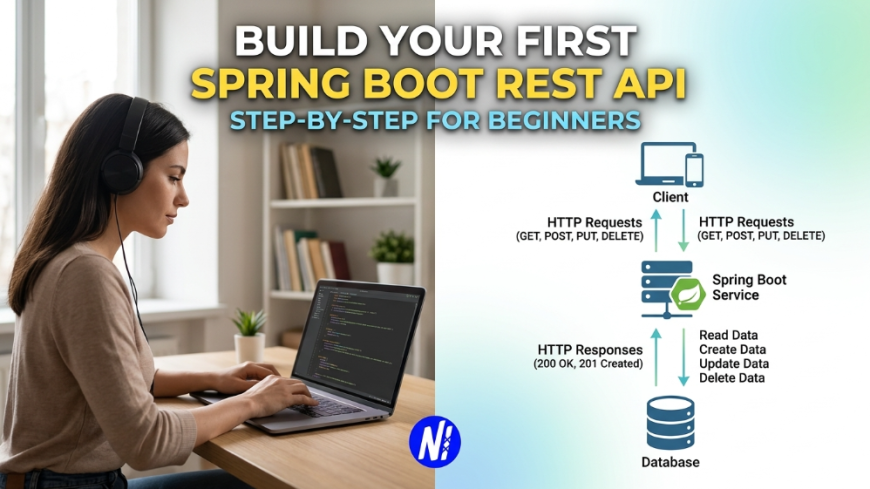
Imagine you need a backend for a task manager app. You want endpoints to create, update, list, and delete tasks. With Spring Boot, you can set up the project, write a controller, add a service layer, connect a repository, and run the app locally without a complicated manual setup.
That is why many developers searching for a spring boot tutorial for beginners are not just learning theory. They are trying to build something that actually works.
Benefits and Advantages
Spring Boot is useful because it saves time and keeps backend code organized. Instead of writing a lot of configuration by hand, developers get sensible defaults and a structure that is easier to maintain.
It also improves productivity for teams. Junior developers can onboard faster, and experienced developers can focus on business logic instead of wiring every detail manually. For businesses, this means quicker delivery and easier scaling.
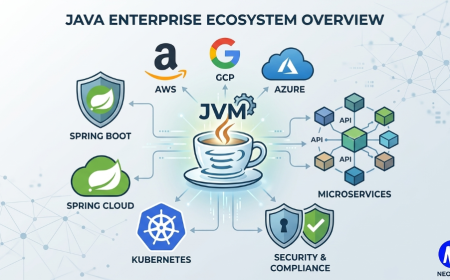
Another big advantage is ecosystem support. Spring Boot works well with databases, security, monitoring, testing, and cloud-native tools, which makes it a strong choice for modern backend development.
Example Use Cases
Spring Boot is commonly used for:
-
REST APIs for mobile or web apps.
-
Enterprise internal tools.
-
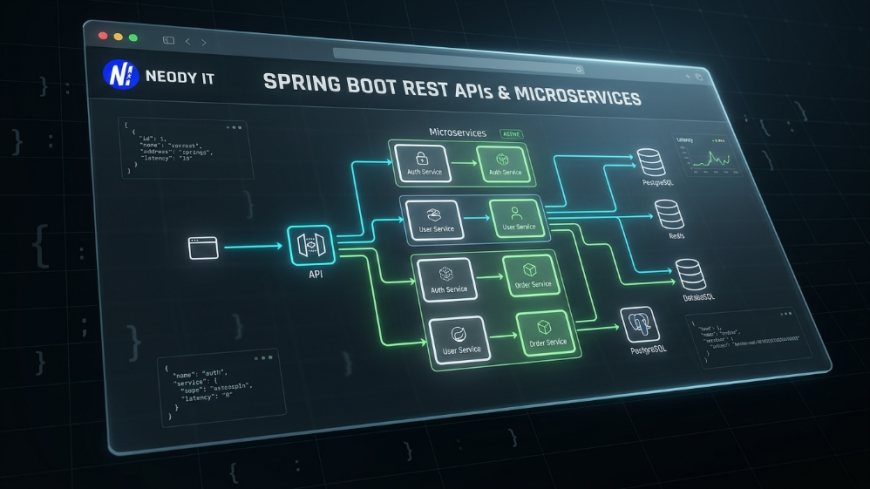
Microservices in distributed systems.
-
Admin dashboards and backend services.
-
Secure applications with authentication and authorization.
If you are building a CRUD backend, a payment system, or even a small internal API, Spring Boot gives you a reliable foundation.
Challenges or Limitations
Like any framework, Spring Boot has trade-offs. Beginners sometimes assume it is “magic,” but it still requires understanding core Java, object-oriented design, and how HTTP APIs work.
Another limitation is that Spring Boot can feel heavy for very small projects. If you only need a tiny script or a minimal service, a lighter framework might be a better fit. Startup time and memory usage can also matter in certain environments.
The biggest beginner mistake is trying to learn everything at once. Start with a simple REST API, then move into dependency injection, validation, persistence, and security step by step.
Common Mistakes
Some practical mistakes to avoid:
-
Mixing controller logic and business logic in one class.
-
Using field injection everywhere instead of cleaner constructor injection.
-
Ignoring package structure and making the code hard to maintain.
-
Forgetting validation for incoming request data.
-
Hardcoding config values instead of using properties files or profiles.
A good spring boot explained for beginners article should be honest about these issues, because real projects always involve trade-offs and cleanup work.
Step by Step Explanation or Working Process
The best way to learn Spring Boot is by building something small and useful. A task management REST API is a perfect beginner project because it covers the most important backend concepts without becoming too complex.
Here is the basic workflow:
-
Create the project using Spring Initializr.
-
Add starter dependencies such as Spring Web and Spring Data JPA.
-
Build a domain model for your data.
-
Create a repository to talk to the database.
-
Add a service layer for business logic.
-
Build a REST controller for API endpoints.
-
Test the app with Postman or curl.
-
Improve it with validation, error handling, and profiles.
This is also where readers usually understand why a spring boot REST API example is so valuable. It connects theory with practical backend structure.
Tools, Technologies, or Requirements
For a beginner setup, the most common stack looks like this:
-
Java 17 or Java 21.
-
Spring Boot 3.
-
Maven or Gradle.
-
Spring Web.
-
Spring Data JPA.
-
H2 for local development.
-
Postman or curl for testing.
If you want a more production-style setup later, you can replace H2 with PostgreSQL and add security, monitoring, and Docker.
Best Practices
A few simple practices make Spring Boot code much easier to maintain:
-
Use constructor injection instead of relying on field injection.
-
Keep controllers thin and put business logic in services.
-
Separate DTOs from entity classes when the app grows.
-
Use profiles for development, testing, and production settings.
-
Add validation early so bad input does not reach deeper layers.
This is also why teams like the ones at Neody IT often prefer layered architecture for backend projects. It keeps code easier to test, extend, and debug.
Future Trends and Industry Insights
Spring Boot remains relevant because backend development is still moving toward cloud-native systems, secure APIs, and scalable microservices. Many companies use Spring Boot with Docker, Kubernetes, observability tools, and CI/CD pipelines.
The ecosystem is also evolving. Developers are exploring Spring Boot 3, reactive programming, GraalVM native images, and Kotlin support. These trends matter because they improve performance, developer experience, and deployment flexibility.
From a career angle, Spring Boot skills are still highly valuable for Java backend roles. A developer who understands REST APIs, dependency injection, and application structure can contribute more effectively in real teams.
Neody IT follows this kind of practical trend closely, especially when building educational content and backend solutions that reflect current industry expectations.
Final Thoughts
Spring Boot is one of the most practical ways to learn modern Java backend development. It helps beginners understand REST APIs, dependency injection, annotations, and clean project structure while also preparing them for real-world systems.
If you are starting from scratch, focus on one project first. Build a small REST API, test it properly, then gradually add database support, validation, and security. That is the fastest way to turn theory into usable skill.
For readers who want more beginner-friendly backend tutorials, Neody IT will continue publishing practical guides that make Java and backend development easier to understand and apply.
CTA
Follow Neody IT for more tech insights, backend tutorials, and practical development guides. Explore more articles on Java, REST APIs, and modern backend engineering to keep building your Spring Boot skills.
What's Your Reaction?
 Like
2
Like
2
 Dislike
0
Dislike
0
 Love
1
Love
1
 Funny
0
Funny
0
 Angry
0
Angry
0
 Sad
0
Sad
0
 Wow
1
Wow
1